

|
Getting your Trinity Audio player ready...
|
Polyester, basically, is a kind of yarn or fibres which refer to a man-made polymer textile, first time used by the fashion industry in 1970 in Britain on a saturday night fever and the Brady Bunch and created quite a buzz. From that time the polyester comes a long way and still in frequent use because of its utility and unique qualities.
Characteristics of Polyester
Let’s take a quick view on the pluses the polyester offers:
- It is abrasion resistant, meaning it can stay vibrant in colors and shape for a longer time as compare to a pure fabric
- Polyester is shrinking and stretching free textile, when used properly it maintains its shape and colors for longer time
- It is very easy to wash and drys very quickly, so it is quite a time saving apparel.
- It is durable because of it is resistant to many chemicals, and it is also friendly to heat transfer printing technique
- It is extremely lightweight fabric which can be dyed easily.
- It stays wrinkle free material for the longest time without washing and ironing.
Polyester Shrinking
The fabric made of polyester is design to retain its form, shape and colour more effective as compared to the pure fabric materials. The shrinking only happen in case of misuse or extensive washing without following the standard instructions provided by the label. It is true that the fabric or apparel, when washed at a high temperature, get stiff because of the plastic nature of the core material.
Achieving resizing by washing a this fabric is a false idea.
Though the polyester blend fabrics might shrink because of the presence of cotton in it.

Also Read: Polyester vs Cotton vs Blends: Which One Is Better?
Polyester Products & Industry
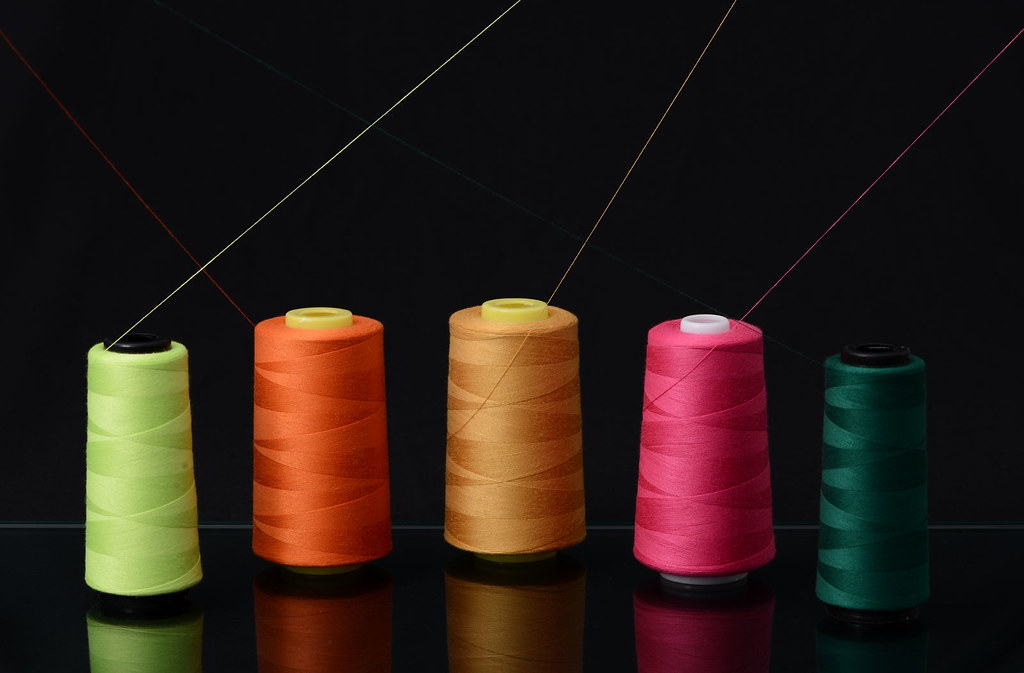
Fleeces, Coats and anoraks, Bed covers, sheets, duvet covers, sleeping bag, footwear, fillings for duvets, sewing threads, textiles, luggage and other bags are the vast business industries which are extensively use polymer of various qualities dependent on the functionality and usability of their products.
Textile Industry
In the textile industry, polyester is no less than a revolution and an alternative low-cost material taken over and create a whole niche and targeted users because of its cost-effectiveness, variety it offers and easily manageable attributes. It opens a whole vista of using polyester instead of organic fabric which make it affordable and reachable to a larger consumer group. Today there is no individual who does not own an outfit or a product that is not made of polyester.
Activewear & Sportswear Industry
The polyester outfits for sports and activewear is a natural choice to use as it is waterproof and easy to wash and dry. Swimming suits, sports uniforms, shorts etc. are easily wearable apparel and works really well in a cooler environment. It is highly favourable to use in all kind of water sports and rain dense areas.
Fashion Industry
Fashion industry launched this new wrinkle free, presentable fabric through a pop show on TV, and after that it stays in till date. It crawled into fashion shows who are following the theme of hi-tech or next gen designs. In film industry, the costume design department adapt the frequent use of polyester fabric in superheroes and star track type films to show glossy and shiny plastic clothes.
Also Read: Your Guide to the Best T Shirt Design Software
The Flip Side
There is never, one side of the story, there is always a little more than which is being told to you. So as much as the polyester invention brought convenience there are some hard facts that you need to know to make a choice. Polyester is not environment friendly as the degradation rate is really long as compare to the organic materials. If you are wearing a polyester dress/shirt occasionally it will be fine but for a longer use it can become uncomfortable in hot weather. If you have any skin allergy you should be ultra careful to use polyester wear or test trial it before you go to work or an event.
Suggested Read: Why Eco Friendly T Shirt Are Preferable?
Final Thought
Polyester is a useful advancement in the textile industry and it influences all the related industries very quickly and effectively. It is important for us to know the good and bad sides of the invention for us to make thoughtful decisions. In this piece of writing, we share with you, the information about polyester as a material, how its industry grew and what benefits it offers, which become the base of its popular usage in a short time.
More Suggested Reads: