|
Getting your Trinity Audio player ready...
|
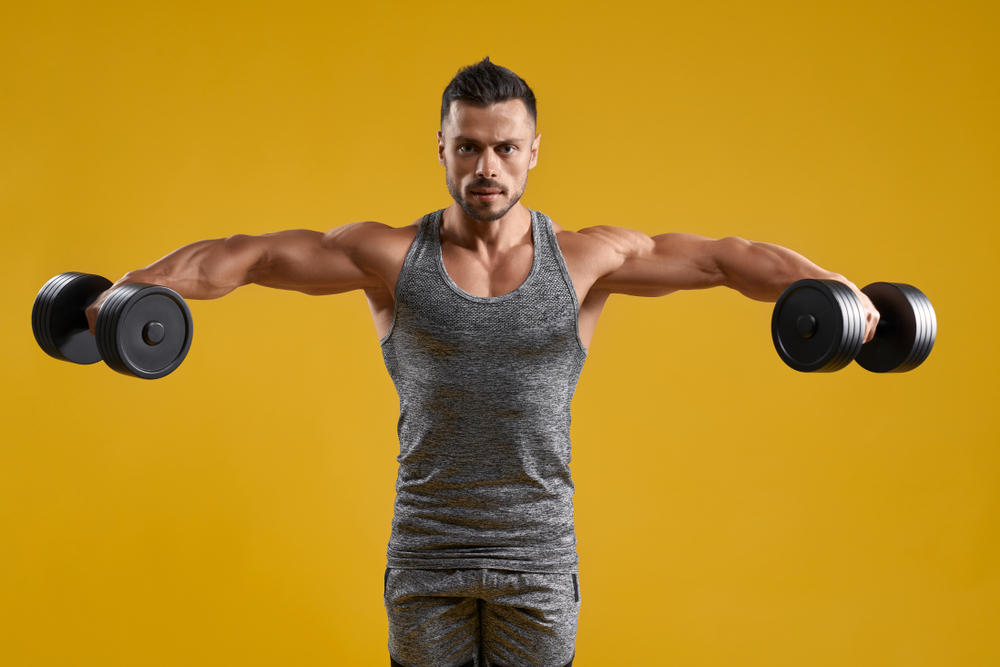
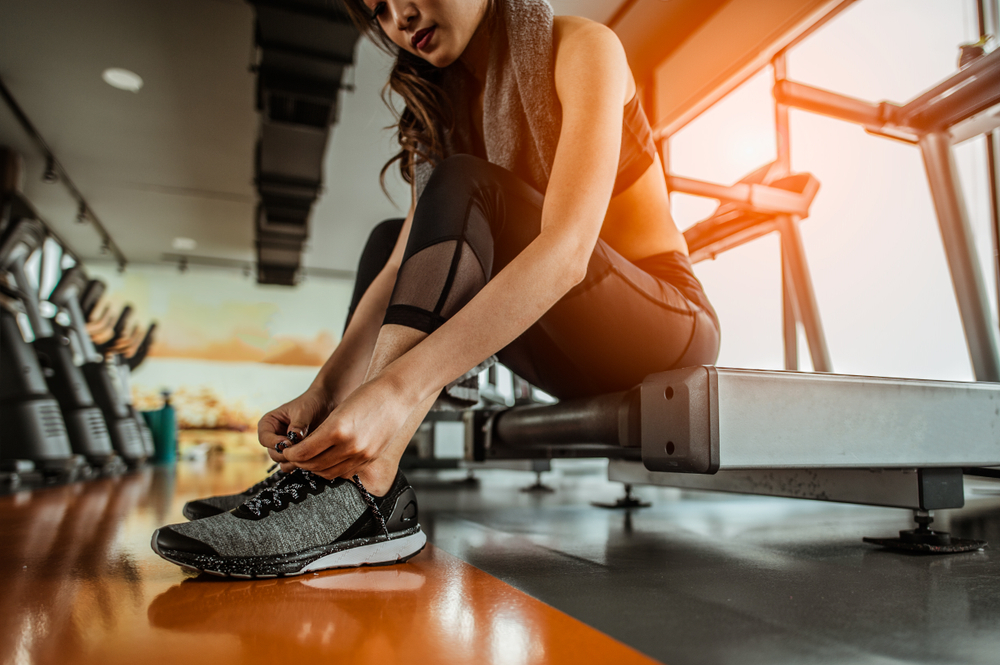
Heading to the gym shouldn’t feel like a wardrobe dilemma. Whether you’re a beginner, a seasoned lifter, or just getting back into a routine, knowing what to wear to the gym can significantly impact how you feel, perform, and recover.
The perfect gym outfit isn’t just about looking sharp, though that’s a bonus. It’s about finding a comfortable, functional, and breathable combination of clothing that supports your training goals. From squat-proof leggings and sweat-wicking tops to the right shoes for strength vs. cardio, choosing the right apparel can prevent distractions, minimise discomfort, and even boost your confidence.
This guide will walk you through what to wear for different types of workouts, help you pick the right fabrics and fit, break down gym essentials, and offer styling tips that balance performance and personality. Whether you’re braving the Aussie summer heat, training in a warehouse gym, or rolling out a yoga mat at home, this blog has you covered.
We’ll also include:
- Outfit recommendations for cardio, strength, HIIT, yoga, and more
- Layering tips for cold vs. warm gym environments
- Accessories that add both comfort and flair
- FAQs to answer common gymwear questions
Let’s gear up right, so you can focus on smashing your workouts with confidence.
What to Consider Before Choosing a Gym Outfit
Before diving into specific clothing items, it’s important to understand the key factors that should guide your gymwear choices. Your gym outfit should do more than just fit well or look stylish. It should serve your workout needs, body type, comfort level, and the environment you’re training in.
Type of Workout
Different workouts demand different types of clothing. High-intensity training sessions like HIIT or cardio require breathable, sweat-wicking fabrics, while weightlifting benefits from more supportive and compressive gear. Yoga or Pilates call for stretchy, softer materials that allow full range of motion.
Fit and Comfort
Your clothes should move with you, not against you. Tight doesn’t always mean supportive, and loose doesn’t always mean comfortable. Consider how your outfit feels during squats, stretches or sprints. Choose garments that stay in place and allow you to focus on movement, not on adjusting your waistband or sleeves.
Fabric Choice
Look for moisture-wicking fabrics like polyester blends or technical materials designed for sport. Avoid cotton-heavy garments as they absorb sweat and can become heavy, clingy, and cold. Stretchy fabrics like elastane blends offer flexibility without restriction, while seamless construction can prevent chafing.
Gym Environment
Are you working out in an air-conditioned commercial gym, a warm warehouse setup, or an outdoor boot camp? Layering becomes essential for colder environments, while minimal, breathable pieces work best in warm or humid climates.
Body Confidence and Personal Preference
Confidence and comfort go hand in hand. Some people prefer oversized tees and long shorts for coverage, while others feel more empowered in fitted activewear. Your gym outfit should make you feel good, supported, and ready to focus on your training.
Ready to build your gym outfits based on your workout style? Let’s look at what to wear for different types of training sessions.
What to Wear Based on Your Workout Type
Not every workout calls for the same outfit. Wearing the wrong gear can leave you overheated, unsupported, or just plain uncomfortable. Here’s a breakdown of what to wear based on the type of training you’re doing to ensure maximum comfort, mobility, and performance.
Strength Training
Strength or resistance training requires gear that allows you to move freely while keeping you supported. Choose squat-proof leggings or shorts made from thick, non-see-through materials. Tighter fits help prevent fabric from shifting during exercises like squats or deadlifts. Flat-soled shoes are ideal for weightlifting, offering stability and better ground contact.
What to wear
- Compression or seamless leggings or shorts
- Fitted, breathable top
- Medium to high-support sports bra
- Flat-soled sneakers or training shoes
- Optional lifting belt or wrist wraps
Cardio Workouts
Running, cycling, stair climbers, or HIIT workouts get your heart rate up and your sweat flowing. Opt for lightweight, sweat-wicking, and breathable clothing that helps you stay cool. A looser top or tank can improve airflow, and a high-impact sports bra will minimise discomfort.
What to wear
- Lightweight leggings or shorts
- Sweat-wicking top or tank
- High-impact sports bra
- Cushioned running or cross-training shoes
- Headband or sweat towel for added comfort
Yoga and Pilates
These workouts focus on flexibility, balance, and fluid movement. Your clothes should be soft, stretchy, and non-restrictive. Look for breathable leggings with wide waistbands and a top that stays in place during inversions and stretches.
Womens Madison Shorts
What to wear
- Buttery-soft leggings or bike shorts
- Light-support sports bra or seamless bralette
- Fitted tank or crop top
- Grip socks or barefoot
- Lightweight layer for cooldowns
Functional or Hybrid Training
If you mix cardio, strength, and mobility work in a single session, your outfit should be versatile and adaptive. Choose clothing that supports a full range of movement while regulating temperature. Breathable layers are ideal to help you transition between activities.
What to wear
- Durable multi-purpose shorts or leggings
- Sweat-wicking, quick-dry tops
- Medium to high-support sports bra
- Cross-training shoes
- Light outerwear, like a zip-up jacket, for warm-ups
Each training style deserves a thoughtfully selected outfit that enhances how you move and feel. Next, let’s look at the essentials you should always keep in your gym wardrobe.
Must-Have Gym Clothing Essentials
No matter what type of training you do, there are core pieces that form the foundation of any good gym outfit. These essentials are designed to support comfort, flexibility, breathability and function so you can focus on your workout instead of your wardrobe.
Moisture-Wicking Tops
Tops made from technical fabrics like polyester blends or bamboo fibres help pull sweat away from your body to keep you dry and cool. Choose from fitted tees, tank tops, long sleeves or crops depending on your style and coverage preferences. Avoid cotton tops that trap moisture and cling uncomfortably during workouts.
Options to consider
- Fitted tops for lifting or layering
- Oversized tees for a relaxed feel
- Racerback tanks for mobility
- Long sleeves for warm-ups or cold gyms
Squat-Proof Bottoms
Leggings or shorts made from thick, stretchable and opaque fabrics are a non-negotiable. High-rise waistbands stay in place, while seamless designs help reduce irritation and chafing. For strength days, opt for compressive fits. For cardio or mobility sessions, lightweight and breathable options are ideal.
Options to consider
- Full-length or 7/8 leggings
- Bike shorts or mid-length shorts
- Loose shorts with built-in liners
- Joggers or track pants for warm-ups
Supportive Sports Bras
A good sports bra is critical for comfort and performance. The level of support you need depends on your activity and body type. Look for wide straps, adjustable bands and moisture-wicking fabrics. High-impact bras are best for running or HIIT. Medium support works for strength sessions. Low-impact bras are perfect for yoga or walking.
Options to consider
- Racerback for maximum hold
- Zip-front for easy removal post-workout
- Padded or non-padded based on preference
- Breathable mesh panels for cooling
Functional Shoes
The wrong shoes can hinder your workout or even cause injury. Choose shoes designed for your specific activity. Running shoes offer cushioning and bounce for high-impact movements. Flat trainers provide a stable base for lifting. Cross-trainers offer a mix of grip, flexibility and support for circuit or hybrid training.
Options to consider
- Flat-soled shoes for strength
- Cushioned trainers for cardio
- Cross-trainers for multi-disciplinary sessions
- Lightweight sneakers for casual or light workouts
Layering Pieces
Temperature can vary in gyms and outdoor environments. Light layers help you warm up, cool down or adjust to changing conditions. Choose jackets, hoodies or zip-ups made from breathable fabrics that are easy to remove when needed.
Options to consider
- Lightweight zip-up jackets
- Oversized hoodies or “pump covers”
- Breathable jumpers or sweatshirts
- Vests for added warmth without bulk
These essentials form the base of a smart and versatile workout wardrobe. Up next, let’s explore the accessories that add both function and style to your gym outfit.
Gym Accessories That Add Comfort and Function
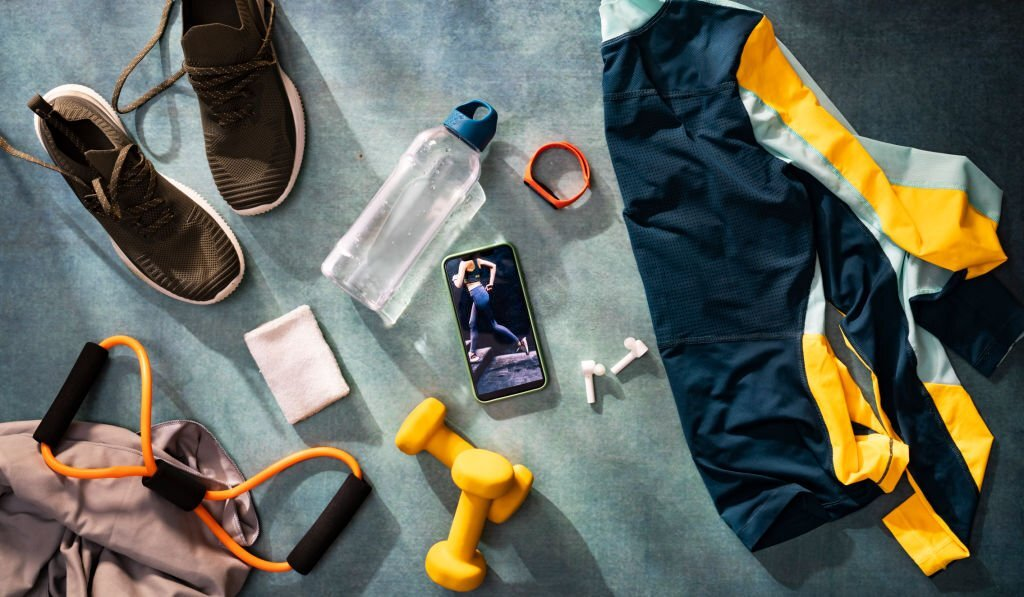
While your core outfit does most of the heavy lifting, the right accessories can elevate your gym experience. From improving comfort and hygiene to enhancing focus and style, these add-ons are practical finishing touches to every gym look.
Cushioned Performance Socks
Socks might seem minor, but they play a major role in keeping your feet comfortable and blister-free. Choose moisture-wicking crew or ankle socks with padding in the heel and toe. These socks help reduce foot fatigue and absorb shock during high-impact workouts or long cardio sessions.
What to look for
- Breathable mesh panels
- Arch support and cushioning
- Anti-slip grip for studio workouts
- Compression features for circulation
Headbands and Sweatbands
Headbands help keep sweat and hair out of your face, especially during intense training. They’re particularly useful for high-intensity cardio, weightlifting, and hot-weather workouts. For those with long or curly hair, wide fabric bands also protect from frizz and breakage.
What to look for
- Stretchable, quick-dry fabric
- Wide designs for better coverage
- Secure fit without slipping
- Colour options to match your gymwear
Gym Bags
A well-organised gym bag helps you stay prepared. It should have separate compartments for shoes, dirty clothes and essentials like water bottles, toiletries, or resistance bands. Choose a size that suits your training frequency and how much gear you typically carry.
What to look for
- Breathable or ventilated shoe compartment
- Water-resistant lining
- Padded shoulder strap for comfort
- Compact or large options, depending on need
Reusable Water Bottle
Staying hydrated is critical during any workout. A sturdy, BPA-free bottle with good capacity ensures you’re not running to the water fountain between sets. Insulated bottles are great for keeping water cool, especially in hot gyms or outdoor training.
What to look for
- Leak-proof lid
- Wide mouth for easy cleaning
- Grip-friendly design
- Capacity of 600ml to 1L
Fitness Gloves or Grips
If you lift weights or use barbells frequently, gloves or grip pads can improve your hold and prevent calluses. They also reduce wrist strain and provide extra protection on rough handles or pull-up bars.
What to look for
- Breathable fabric with padded palms
- Wrist support strap
- Fingerless design for flexibility
- Durable stitching for long-term use
These accessories aren’t just for looks, they serve a purpose in keeping you comfortable, focused and ready to give your best. Now that your gear is sorted, let’s talk about what to wear during different weather conditions or temperature changes.
Dressing for the Weather and Gym Environment
While most indoor gyms maintain a controlled temperature, not all training environments are the same. Outdoor bootcamps, garage gyms, beach workouts and warehouse-style spaces are popular across Australia. Dressing appropriately for the climate and workout space ensures you stay comfortable and perform at your best.
What to Wear in Hot Weather
Australian summers can be brutal, especially if you’re training in non-air-conditioned spaces or outdoors. Overheating leads to fatigue and poor performance, so your clothing should prioritise airflow, sweat-wicking and breathability.
Recommended options
- Sleeveless tanks or loose crop tops
- Lightweight, breathable shorts with ventilation panels
- Moisture-wicking sports bras and underwear
- Light-coloured fabrics to reflect heat
- Mesh-panelled leggings if extra coverage is needed
- Breathable running shoes and low-cut socks
Tips
- Choose fabrics like polyester blends or bamboo for cooling
- Avoid dark colours that absorb heat
- Wear a hat or headband if training outdoors
What to Wear in Cold Weather
Colder months or early-morning sessions in open or unheated gyms call for smart layering. You want to stay warm during warm-ups but be able to remove layers as your body temperature rises. The key is layering with performance fabrics, not heavy cotton that soaks up sweat.
Recommended options
- Fitted base layer or thermal long sleeve
- Zip-up hoodie or performance jumper
- Full-length leggings or track pants
- High socks for warmth and muscle support
- Lightweight insulated vests
- Gloves or beanies for outdoor cardio
Tips
- Start with moisture-wicking base layers to stay dry
- Avoid heavy cotton hoodies that hold sweat
- Remove outer layers once you’re warm to prevent overheating
Whether you’re sweating it out under the summer sun or pushing through a chilly morning workout, your outfit should adapt to the conditions. Up next, let’s look at complete outfit ideas tailored for different training days to help you get dressed with confidence.
Sample Gym Outfits for Different Training Days
Mixing and matching the right pieces can save you time and decision fatigue when getting ready for a workout. Here are sample gym outfits tailored to various training styles to help you stay focused, comfortable and stylish throughout the week.
Leg Day
On leg day, support, mobility, and squat-proof coverage are key. Your outfit should allow for a deep range of motion without shifting or becoming see-through.
What to wear
- High-rise, squat-proof leggings or bike shorts
- Medium to high-support sports bra
- Fitted tank top or crop for unrestricted upper-body movement
- Flat-soled training shoes for ground contact and stability
Cardio or HIIT
Cardio sessions call for gear that keeps you cool and dry. Prioritise sweat-wicking fabrics and lightweight layers that won’t weigh you down.
What to wear
- Loose-fitting performance tank or tee
- Lightweight shorts or quick-dry leggings
- High-impact sports bra for bounce control
- Cushioned running shoes
- Headband and breathable socks
Upper Body Strength
You want clothes that allow arm movement without dragging fabric or discomfort around the shoulders. Look for sleeveless or raglan-style tops and shorts or leggings that stay put.
What to wear
- Sleeveless tee or racerback top
- Mid-rise leggings or fitted shorts
- Medium-support sports bra
- Flat-soled trainers or gym shoes
Mobility and Core Workouts
These sessions are low-impact but still require flexibility. Choose soft, stretchy clothing that won’t bunch or restrict.
What to wear
- Seamless or buttery-soft leggings
- Light-support bra or soft bralette
- Relaxed-fit tee or breathable crop top
- Grip socks or barefoot if indoors
Running or Cardio Outdoors
Outdoor cardio demands climate-conscious clothing and added comfort. Dress in layers you can remove, and choose shoes built for impact.
What to wear
- Sweat-wicking tank or mesh tee
- Lightweight shorts or leggings with pockets
- High-support sports bra
- Cushioned running shoes
- Cap or visor for sun protection
Yoga or Pilates
You’ll want a non-restrictive outfit that allows you to move, bend and stretch with ease. Stick to fitted but soft fabrics.
What to wear
- Stretchy leggings or bike shorts
- Breathable, light-support bra
- Fitted top or tank that stays in place
- Optional grip socks for stability
What should I wear to the gym for the first time?
If it’s your first time stepping into the gym, comfort and functionality should come first. Start with the basics. a pair of breathable leggings or shorts, a sweat-wicking t-shirt or tank top, and supportive athletic shoes. Dark-coloured leggings are ideal because they provide better coverage and are generally more confidence-boosting for beginners.
You’ll also want to wear a sports bra suited to the activity intensity and consider bringing a lightweight hoodie or jumper for warm-ups. Avoid cotton clothing, which tends to trap sweat and feel heavy. Instead, choose fabrics like polyester or performance blends that keep you dry and cool throughout your session.
How do I choose the right sports bra for my workout?
The right sports bra can make or break your comfort at the gym. For high-intensity workouts like running, HIIT or jumping exercises, a high-support sports bra with adjustable straps and a firm underband will provide maximum support and bounce control. These bras are especially important for individuals with larger bust sizes to avoid discomfort and reduce strain.
For moderate activities like weight training or steady-state cardio, a medium-support bra typically offers the right balance between flexibility and control. Light-support bras work well for yoga, Pilates or mobility-focused sessions where the movement is slow and controlled. Always look for sweat-wicking fabrics and breathable mesh panels to stay dry during your workout.
Can I wear regular clothes like cotton t-shirts or tracksuit pants to the gym?
While you can technically wear regular clothes to the gym, they often fall short in performance and comfort. Cotton t-shirts absorb sweat and hold onto moisture, which can feel heavy, clingy and increase the risk of skin irritation during a longer workout. Similarly, loose cotton pants can restrict range of motion and don’t offer the breathability or flexibility that gym-specific clothing does.
If you’re just starting out or trying to save on activewear, begin with a mix of what you have and slowly invest in gym gear made with technical fabrics. Performance clothing is designed to move with your body, regulate temperature and reduce friction, making a big difference even in short sessions.
How many gym outfits do I really need?
The number of gym outfits you need depends on how frequently you train and how often you do laundry. For someone working out three to four times a week, having at least three full gym outfits will give you a good rotation without scrambling for clean clothes. This means a few pairs of leggings or shorts, multiple tops and at least two to three sports bras.
If you do high-intensity or sweaty workouts, it’s a good idea to wash your clothes after each use. In this case, having an extra set or two helps keep your gear fresh and ensures you’re never short on clean activewear. Investing in durable, breathable pieces over time will save you from needing replacements too often.
Do I need different shoes for lifting and running?
Yes, wearing the right shoes for your workout type is essential for both performance and injury prevention. Running shoes are designed with cushioning to absorb impact, making them ideal for treadmill runs, jogging and high-impact cardio. However, that same cushioning can make them unstable for lifting weights, especially heavy compound movements like squats or deadlifts.
For strength training, flat-soled shoes or lifting shoes with minimal heel elevation provide a stable base, better ground contact and proper alignment. If you engage in both cardio and weights, cross-training shoes offer a good hybrid solution. Choosing the right footwear not only supports your training but also protects your joints and improves overall form.
Choosing the right gym outfit isn’t just about looking good; it’s about feeling confident, supported and ready to take on whatever your workout throws at you. Whether you’re lifting weights, sweating through cardio, or flowing through a yoga session, the right combination of breathable fabrics, supportive fits and functional accessories can transform your training experience.
From squat-proof leggings and moisture-wicking tops to high-impact sports bras and cushioned socks, every detail counts when it comes to comfort and performance. And once you’ve found your perfect gymwear formula, why not make it your own?
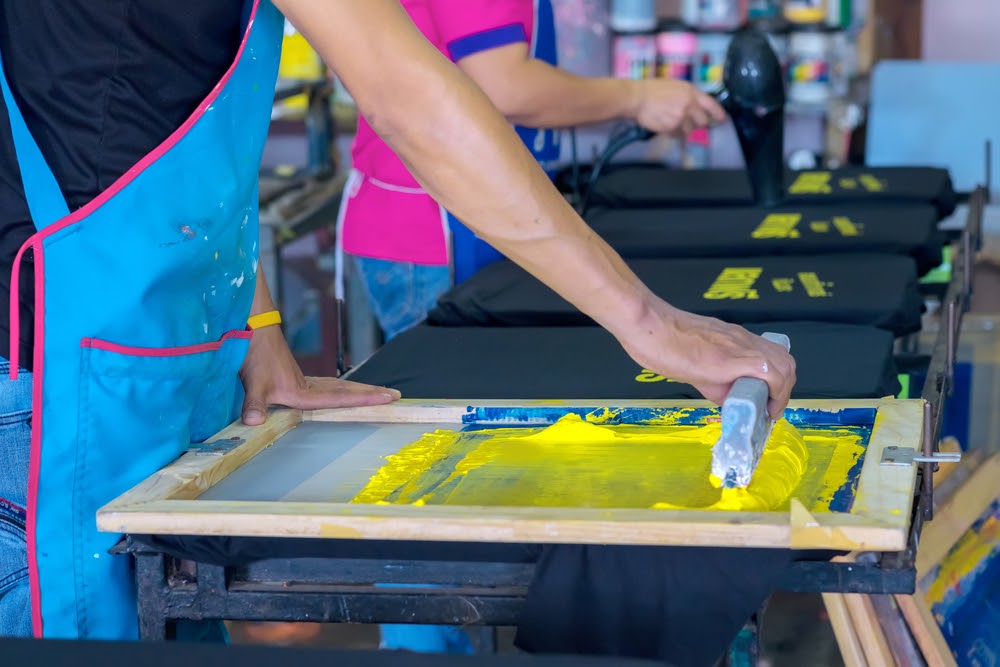
At T-Shirt Plus, we offer custom printing on gymwear and activewear, so you can personalise your training gear with your name, logo, or team branding. Whether you’re part of a fitness crew, running a bootcamp, or building your personal brand, custom gym apparel adds that extra edge of identity and professionalism to your workout wardrobe.
So, gear up smart, train hard, and express yourself, both in movement and in what you wear.
Ready to customise your activewear? Get in touch with T-Shirt Plus today and turn your gym gear into something truly yours.
Enjoy 5%
OFF